Introduction: The Foundation of Quality Recombinant Proteins
Selecting the optimal recombinant protein expression system is one of the most critical decisions in biopharmaceutical development. Whether you are working on therapeutic protein production, vaccine development, or structural biology research, the choice of expression platform directly impacts yield, folding accuracy, post-translational modifications, and overall cost-efficiency. As a leading custom recombinant protein manufacturer, we understand that every project demands a tailored approach.
Understanding the Major Expression Systems
The most commonly used protein expression platforms include E. coli expression systems, mammalian cell expression (such as CHO and HEK293), insect cell expression systems (Sf9, High Five), and yeast expression platforms (Pichia pastoris, Saccharomyces cerevisiae). Each system offers distinct advantages:
Bacterial protein expression remains the go-to choice for high-yield recombinant protein production when post-translational modifications are not required. It is cost-effective, scalable, and ideal for protein crystallization and enzyme production.
- Mammalian expression systems are indispensable for complex glycoprotein manufacturing, monoclonal antibody production, and biologically active cytokine production, as they provide human-like glycosylation patterns essential for therapeutic efficacy.
- Baculovirus-insect cell expression strikes a balance between yield and modification capability, making it suitable for vaccine antigen production and membrane protein expression.
- Yeast expression systems offer a middle ground with eukaryotic folding machinery and relatively low cost, often used for industrial enzyme production and vaccine subunit production.
The Role of Protein Purification in Manufacturing Success
Even the most advanced recombinant protein expression services fall short without robust protein purification strategies. Affinity chromatography purification (including His-tag protein purification, GST-tag purification, and Strep-tag purification) remains the gold standard for initial capture. However, achieving high-purity recombinant proteins often requires multi-step workflows incorporating ion exchange chromatography (IEX), size exclusion chromatography (SEC), and hydrophobic interaction chromatography (HIC).
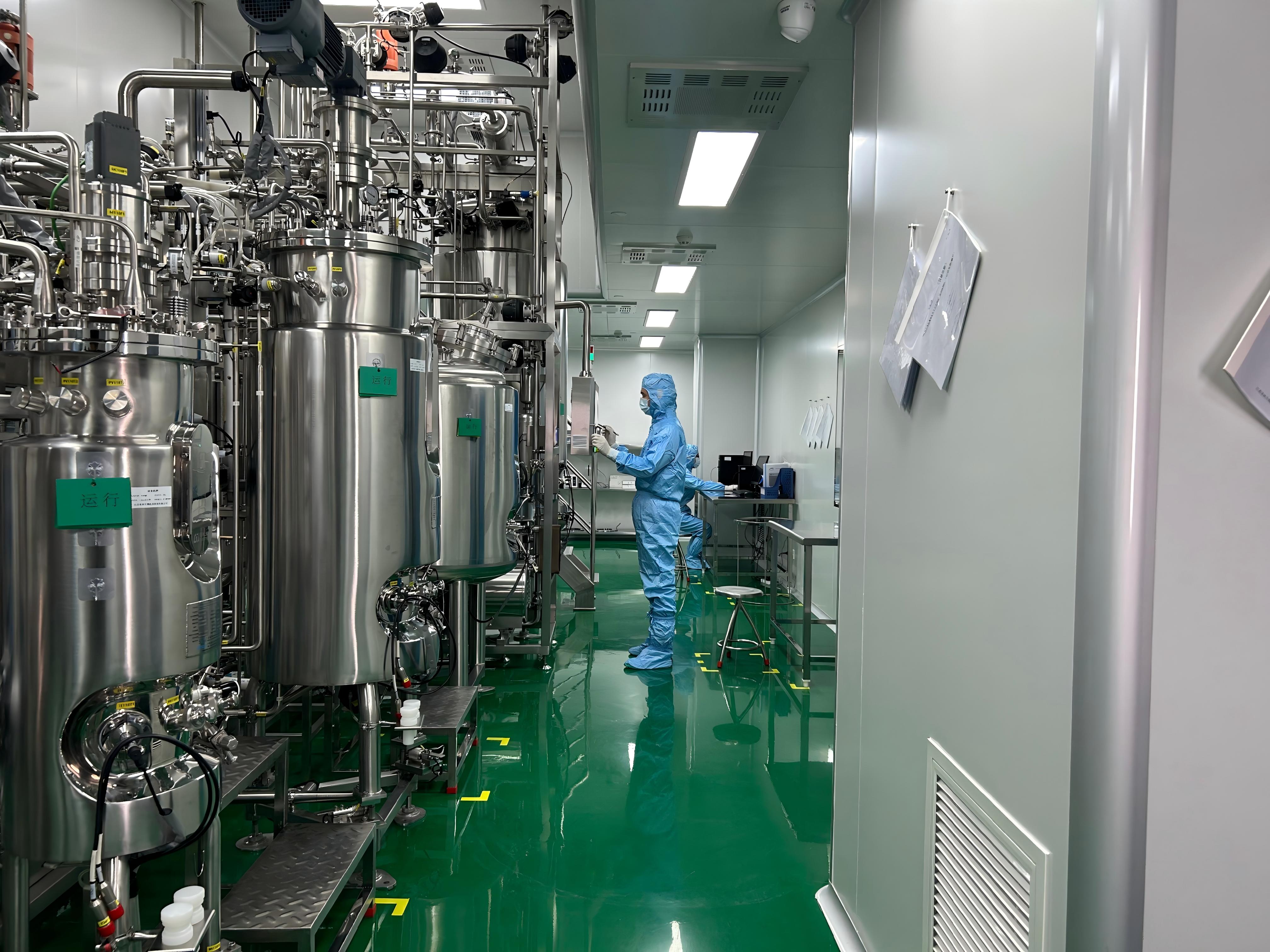
For GMP-grade recombinant protein manufacturing, purification processes must be validated for host cell protein (HCP) removal, endotoxin reduction, viral clearance, and consistent batch-to-batch reproducibility. Our cGMP protein production facility employs Quality by Design (QbD) principles to ensure every purification step is optimized, documented, and compliant with ICH Q5A and FDA guidance for biologics.Why Partner with an Experienced Recombinant Protein CRO/CDMO?
Outsourcing to a specialized recombinant protein contract manufacturing organization provides access to:
- Multi-platform protein expression screening capabilities
- Advanced protein refolding services for inclusion body recovery
- Comprehensive analytical characterization (SEC-HPLC, mass spectrometry, endotoxin testing, bioactivity assays)
- Scalable production from milligram-scale protein production to gram-scale and kilogram-scale biomanufacturing
- Regulatory support for IND-enabling studies and BLA submission
Conclusion
Whether you need research-grade recombinant proteins for early discovery or clinical-grade protein therapeutics for Phase I/II trials, selecting the right expression and purification strategy is paramount. Partner with a trusted recombinant protein supplier that combines scientific expertise, manufacturing scale, and regulatory compliance to accelerate your program from concept to clinic.