Blog
Serum-Free Media for Cultivated Meat: Key Recombinant Proteins and Growth Factors
2026.08.31
As cell culture technologies continue to evolve toward serum-free and chemically defined conditions, the importance of precisely controlled media components has become increasingly evident. Among these components, iron plays a central yet often underappreciated role, as it is indispensable for DNA synthesis, mitochondrial respiration, and a wide range of enzymatic reactions that sustain cellular metabolism. However, the dual nature of iron presents a significant challenge: while essential for cell growth, excess free iron can catalyze the formation of reactive oxygen species, leading to oxidative stress, cellular damage, and ultimately compromised culture performance. This delicate balance has driven the industry to seek more controlled and reliable methods of iron delivery, making recombinant bovine transferrin a critical component in modern cell culture systems.
Recombinant bovine transferrin functions as a highly specialized iron transport protein that binds ferric ions with high affinity and delivers them into cells via transferrin receptor-mediated endocytosis. This tightly regulated mechanism ensures that iron is supplied in a bioavailable yet non-toxic form, effectively minimizing the risks associated with free iron accumulation. In practice, this translates into a more stable intracellular environment, where oxidative stress is reduced and metabolic processes can proceed efficiently. As a result, cells cultured in the presence of recombinant transferrin often exhibit improved proliferation rates, enhanced viability, and greater consistency over extended culture periods. These benefits are particularly valuable in systems where reproducibility and stability are critical, such as biopharmaceutical production and stem cell expansion.
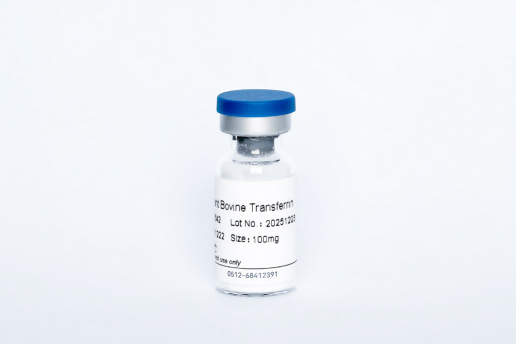
Historically, transferrin was supplied through animal-derived sources, most commonly as a component of fetal bovine serum. While effective, these sources introduced significant variability due to their undefined composition and biological origin, leading to inconsistencies in experimental outcomes and production performance. In addition, concerns regarding viral contamination, prion transmission, and regulatory compliance have made animal-derived components increasingly unsuitable for clinical and commercial applications. Recombinant bovine transferrin addresses these challenges by providing a well-defined, animal-origin-free alternative that is produced under controlled manufacturing conditions. This shift not only enhances batch-to-batch consistency but also simplifies regulatory documentation and reduces the burden of quality control testing, thereby supporting more efficient process development and scale-up.
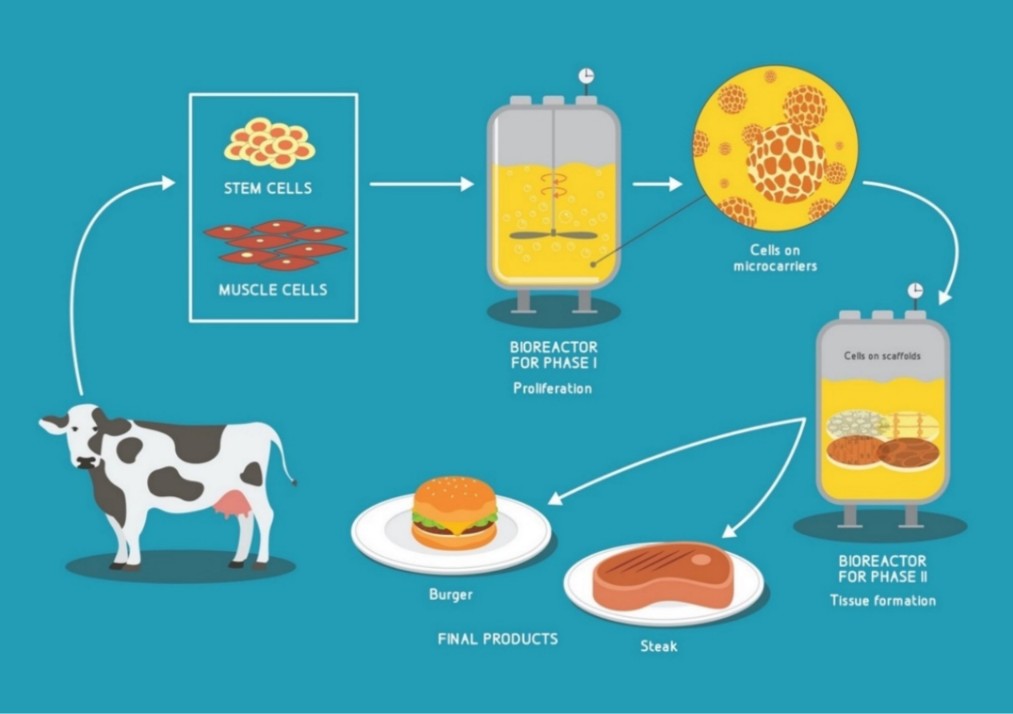
The adoption of recombinant bovine transferrin has expanded across multiple areas of biotechnology, where its ability to deliver iron in a controlled manner directly contributes to improved cell culture outcomes. In biopharmaceutical manufacturing, particularly in CHO cell-based systems, recombinant transferrin supports stable protein expression and reduces variability between production batches, which is essential for maintaining product quality. In the field of cell therapy, including the expansion of mesenchymal stem cells and induced pluripotent stem cells, it enhances cell viability and proliferation under serum-free conditions, thereby enabling more consistent and scalable manufacturing processes. Organoid culture systems, which require finely tuned microenvironments to support complex tissue organization, also benefit from the defined nature of recombinant transferrin, as it allows researchers to better control nutrient availability and experimental variables. Additionally, in the emerging cultivated meat industry, recombinant transferrin provides a sustainable and ethical alternative to serum-derived components, supporting the development of animal-free culture systems.
The performance of recombinant bovine transferrin in cell culture applications is closely linked to its manufacturing quality. High purity, low endotoxin levels, and consistent bioactivity are essential attributes that determine its effectiveness and reliability. Typically, high-quality products achieve purity levels of at least 95% as verified by analytical methods such as SDS-PAGE or HPLC, while maintaining endotoxin levels at or below 0.01 EU/μg to minimize adverse effects on sensitive cell systems. Furthermore, production under cGMP-compliant conditions ensures that each batch meets stringent requirements for traceability, process control, and documentation, which are critical for applications involving clinical development or commercial manufacturing. These quality standards not only guarantee product performance but also provide the assurance needed for regulatory submissions.
EastMabBio offers recombinant bovine transferrin designed to meet the demands of advanced cell culture applications, combining high purity, low endotoxin levels, and consistent batch performance with scalable manufacturing capabilities. Produced under rigorous quality control systems and supported by GMP-compliant processes, these products are suitable for use in serum-free and chemically defined media across research and industrial settings. In addition to product supply, EastMabBio provides technical support to assist customers in optimizing media formulations and culture conditions, helping to maximize cell performance and streamline process development.
As the biotechnology industry continues to move toward more defined, reproducible, and scalable cell culture systems, recombinant bovine transferrin has emerged as an indispensable component for safe and efficient iron delivery. By replacing variable animal-derived sources with a consistent and well-characterized alternative, it enables improved cell growth, enhanced process control, and greater confidence in both research and manufacturing outcomes.
News
Platform Information Submission-Privacy Agreement
· Privacy Policy
No content yet
Platform Information Statement-Laws and Regulations
· Laws and regulations
Trademark registration of Jiangsu Dongkang Biomedical Technology Co., Ltd.
East Mab
East Mab Bio
东抗生物