
Blog
GMP-Grade Recombinant Cytokines for Cell Culture Applications: Manufacturing Excellence from Expression to Release
2026.07.28
Choosing the right recombinant proteins for stem cell culture sets the tone for everything that follows. High-quality proteins keep results consistent, prevent unwanted differentiation, and support robust cell expansion. We recognize the critical role these materials play in advancing regenerative medicine and drug discovery, and we treat that responsibility with care. That is why we focus on providing reliable protein solutions that meet the stringent demands of stem cell applications.
Stem cell culture hinges on intricate mechanisms where proteins regulate cell behavior. Specific growth factors and cytokines activate signal transduction pathways. These proteins bind to cell surface receptors, initiating cascades that control cell proliferation, survival, and differentiation. Maintaining optimal protein concentrations and combinations is biologically significant. Deviations can lead to undesired cell fates or reduced viability. Understanding these molecular interactions is necessary for designing effective culture media and troubleshooting common challenges. This detailed scientific overview provides deeper insight into successful stem cell culture.
Growth factors are pivotal in stem cell culture. They act as potent signaling molecules, stimulating cell growth, proliferation, and survival. Key growth factors like FGFs (e.g., Recombinant Human FGF-2/bFGF, Recombinant Human FGF-7/KGF, Recombinant Human FGF-9, Recombinant Human FGF-10/KGF2, Recombinant Human FGF-8b, Recombinant Human FGF-1/aFGF, Recombinant Human FGF-4) contribute to maintaining stem cell populations and preventing apoptosis. Their purity and activity are important for consistent experimental results.
Cytokines play a dual role in stem cell biology. They influence differentiation pathways and immune responses within the culture environment. Specific cytokines, such as interleukins (e.g., Recombinant Human IL-2, Recombinant Human IL-4, Recombinant Human IL-6, Recombinant Human IL-7, Recombinant Human IL-12, Recombinant Human IL-13, Recombinant Human IL-15, Recombinant Human IL-1β, Recombinant Human IL-1α, Recombinant Human IL-3, Recombinant Human IL-10, Recombinant Human IL-5, Recombinant Human IL-11), can maintain pluripotency or induce lineage-specific differentiation. Their relevance in immunomodulation is also important for cell therapy applications.
Stem cell culture proteins are indispensable across a wide spectrum of applications. They drive innovation from basic research to advanced clinical therapies. Their critical roles span regenerative medicine, drug discovery, toxicology screening, and the development of organoids and cultivated meat. Precise control offered by high-quality recombinant proteins enables researchers to create standardized and reproducible models. These models are used for studying disease mechanisms, testing new therapeutic compounds, and developing cell-based therapies. The versatility and impact of these proteins underscore their importance in pushing the boundaries of biotechnology and healthcare.
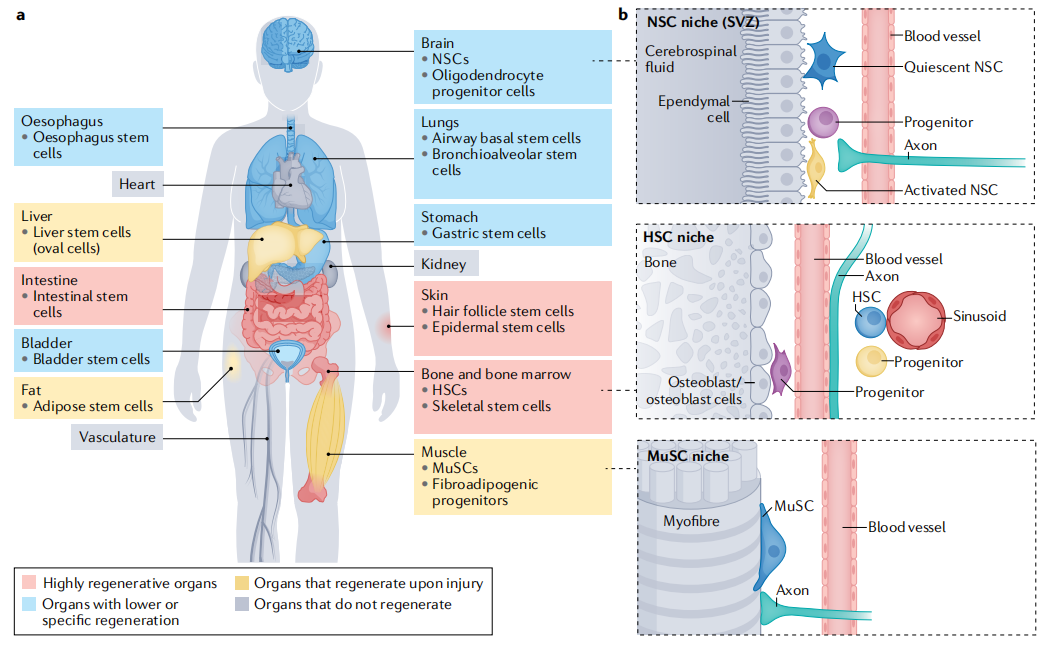
来源:Nature Reviews Molecular Cell Biology
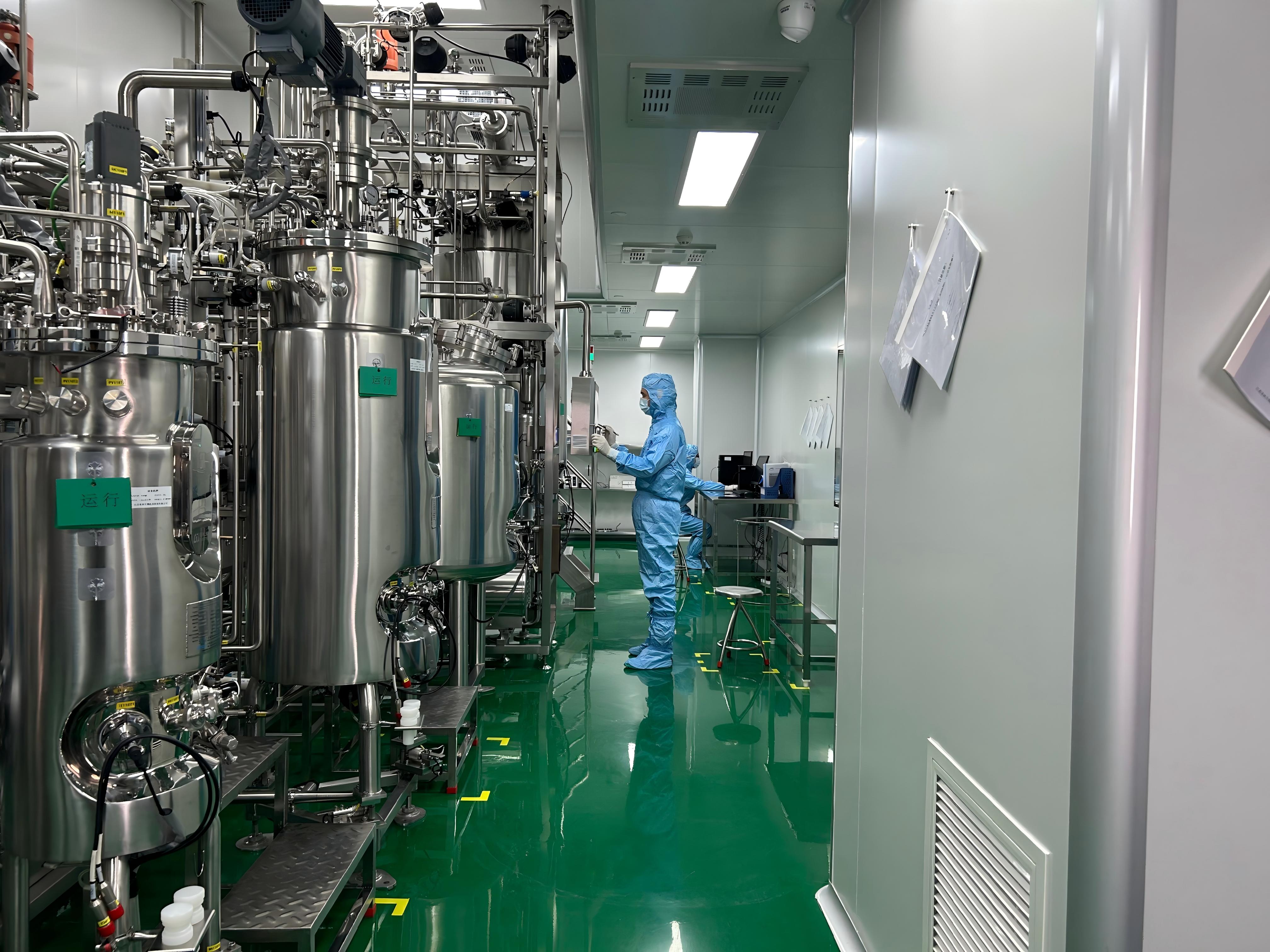
In the demanding field of stem cell research and therapy, the quality and consistency of raw materials are paramount. Jiangsu East-Mab Biomedical Technology Co., Ltd. is committed to providing high-quality recombinant protein raw materials for stem cell culture. We detail our rigorous quality control processes and advanced production platforms. Our dedication ensures the biological activity and purity of every protein. Emphasizing our expertise, investment in R&D, and global client support, EastMabBio enables researchers to achieve reliable and reproducible results. This accelerates scientific discovery and therapeutic development. Our focus on excellence directly addresses the critical need for dependable protein components in sensitive stem cell applications.
Cat# | Name | Expression System | Purity | Endotoxin (EU/mg) |
Y13342H | Recombinant Human laminin 521 E8 | HEK293 | ≥95% | ≤10 |
Y13242H | Recombinant Human laminin 511 E8 | HEK293 | ≥95% | ≤10 |
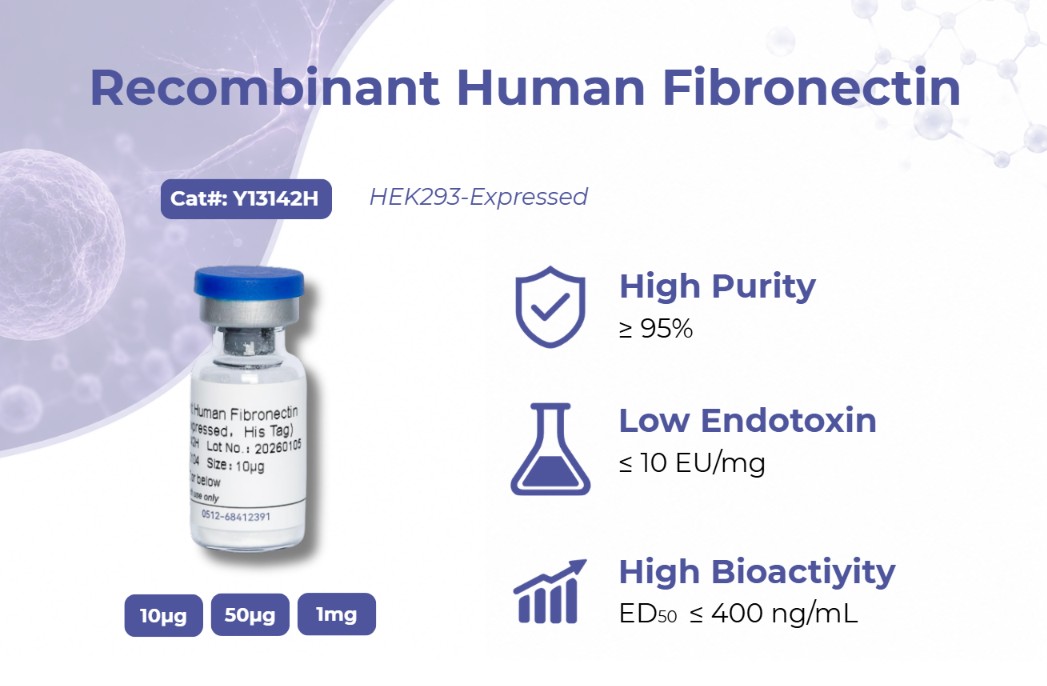
Y13142H | Recombinant Human Fibronectin | HEK293 | ≥95% | ≤10 |
Y03001 | Recombinant Human LIF | CHO | ≥95% | ≤10 |
Y00351H | Recombinant Human bFGF | E. coli | ≥95% | ≤20 |
Y00101N | Recombinant Human Activin A | CHO | ≥95% | ≤10 |
Y04201N | Recombinant Human TGF-β1 | CHO | ≥95% | ≤10 |
Y00801 | Recombinant Human EGF | E. coli | ≥95% | ≤10 |
The landscape of stem cell culture is continually evolving. Ongoing advancements in protein technology promise even greater precision and efficiency. Emerging trends and future directions in the development and application of stem cell culture-related proteins include chemically defined media, animal-origin-free proteins, and novel protein engineering strategies. These aim to improve stability, specificity, and cost-effectiveness. The integration of artificial intelligence and high-throughput screening helps identify and optimize new protein combinations for complex stem cell differentiation protocols. These advancements will revolutionize how we culture and manipulate stem cells, opening new avenues for research and clinical translation.
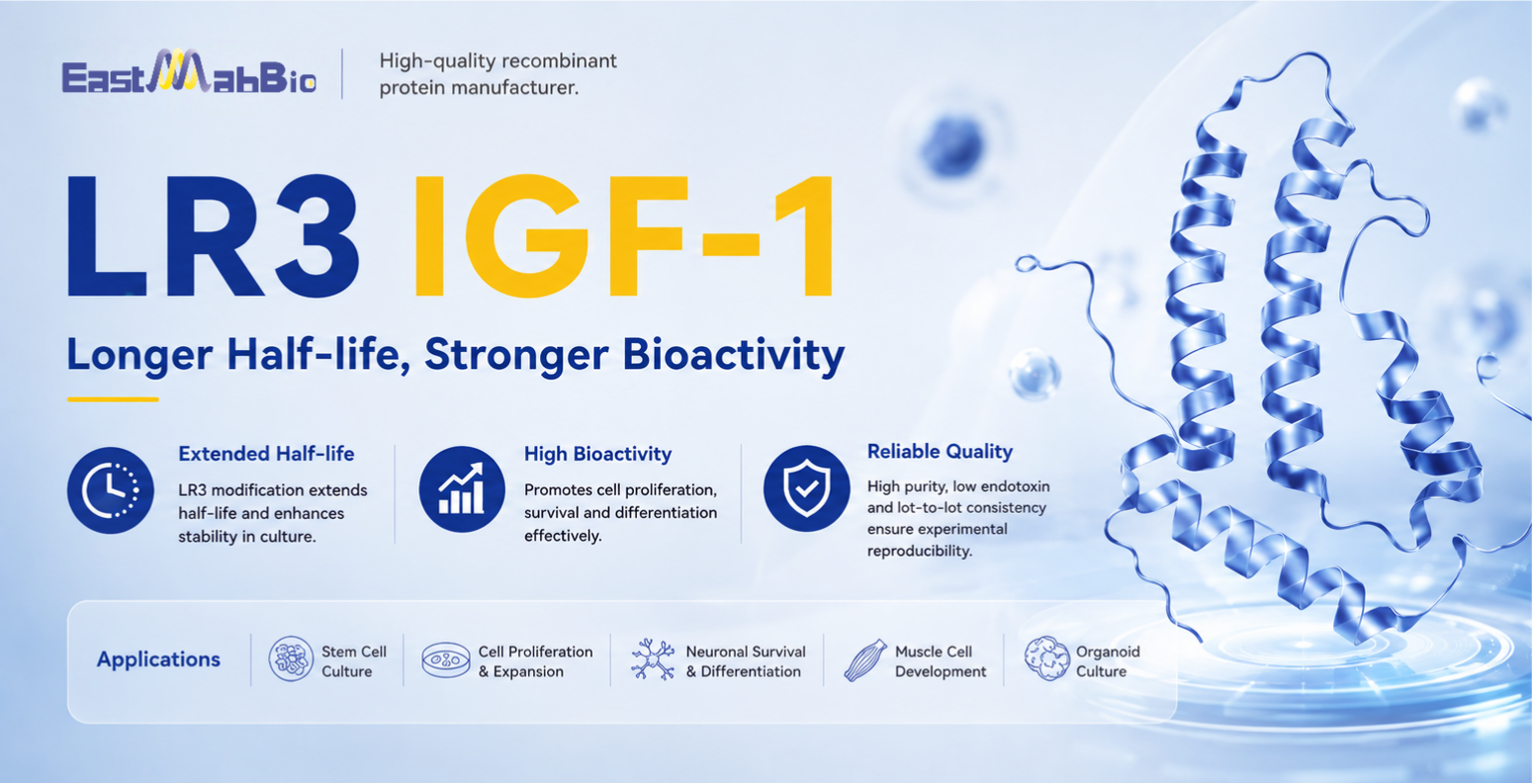
Stem cell culture commonly utilizes a range of proteins. These include various growth factors (e.g., bFGF, EGF, IGF-1), GFs (e.g., LIF, BMP-4), and adhesion molecules (e.g., laminin, fibronectin). These proteins are crucial for maintaining pluripotency, promoting proliferation, or directing specific differentiation pathways, depending on the stem cell type and experimental goals. EastMabBio offers a broad selection of these key proteins, ensuring high purity and biological activity for consistent results.
The quality of stem cell culture proteins is paramount. Even minor impurities or variations in activity can significantly impact cell viability, proliferation, and differentiation. High-quality, consistent proteins ensure reproducible experimental results, reduce variability, and minimize the risk of unintended cell fate changes. EastMabBio’s rigorous quality control and advanced production processes guarantee the reliability and efficacy of our recombinant proteins, supporting the integrity of your research.
Recombinant proteins are instrumental in facilitating animal-origin-free (AOF) stem cell culture. By producing proteins in controlled systems researchers can eliminate the risk of contamination from animal-derived components. These components can introduce pathogens or unknown factors. This approach enhances the safety and consistency of cell culture, which is particularly important for clinical applications. EastMabBio specializes in producing high-quality recombinant proteins, supporting the development of safer and more defined culture conditions.
Discover how Jiangsu East-Mab Biomedical Technology Co., Ltd. can support your stem cell research with our high-quality recombinant proteins. Visit our product catalog or contact our experts today to find the ideal solutions for your cell culture needs. You can reach us at +86-400-998-0106 or product@eastmab.com.
News
Platform Information Submission-Privacy Agreement
· Privacy Policy
No content yet
Platform Information Statement-Laws and Regulations
· Laws and regulations
Trademark registration of Jiangsu Dongkang Biomedical Technology Co., Ltd.
East Mab
East Mab Bio
东抗生物


